

Informação sobre dor musculoesquelética | Myalgia







Radiofrequency for low back pain: who it is for and how long it lasts
Low back pain is a common complaint affecting millions of people worldwide. For those with chronic, disabling low back pain, finding effective treatment can be a challenge. In this guide we explore how radiofrequency has become an established option for relieving low back pain, with the essential information on the topic.
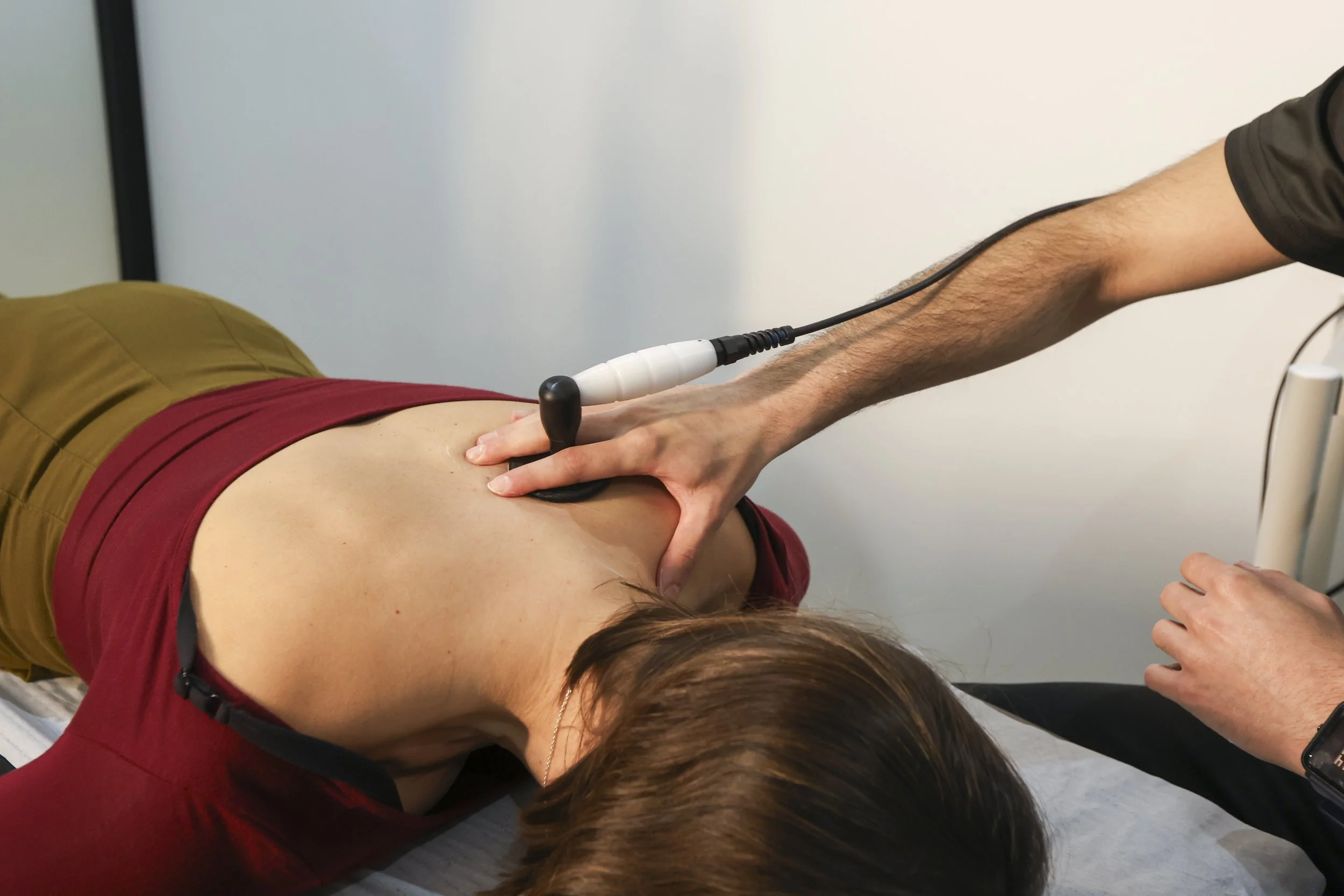
Manual therapy: the therapeutic touch that restores wellbeing
Manual therapy is a widely used approach for relieving pain, recovering from injury and improving physical function. In this guide we explore how manual therapy can offer an effective solution for muscle and joint problems, with the essential information on the topic.

Made-to-measure insoles: the comfort and support your feet deserve
Foot health is fundamental to the body's overall wellbeing, and made-to-measure insoles have become a popular personalised solution for foot and walking problems. In this guide we explore how made-to-measure insoles can give your feet comfort and support, with the essential information on the topic.

Botulinum toxin for pain relief: a guide
Botulinum toxin, better known as Botox, has attracted attention as a potential therapy for pain relief in a range of conditions. In this guide we explore how botulinum toxin injections can be a valuable option in pain management, with the key information on the subject.
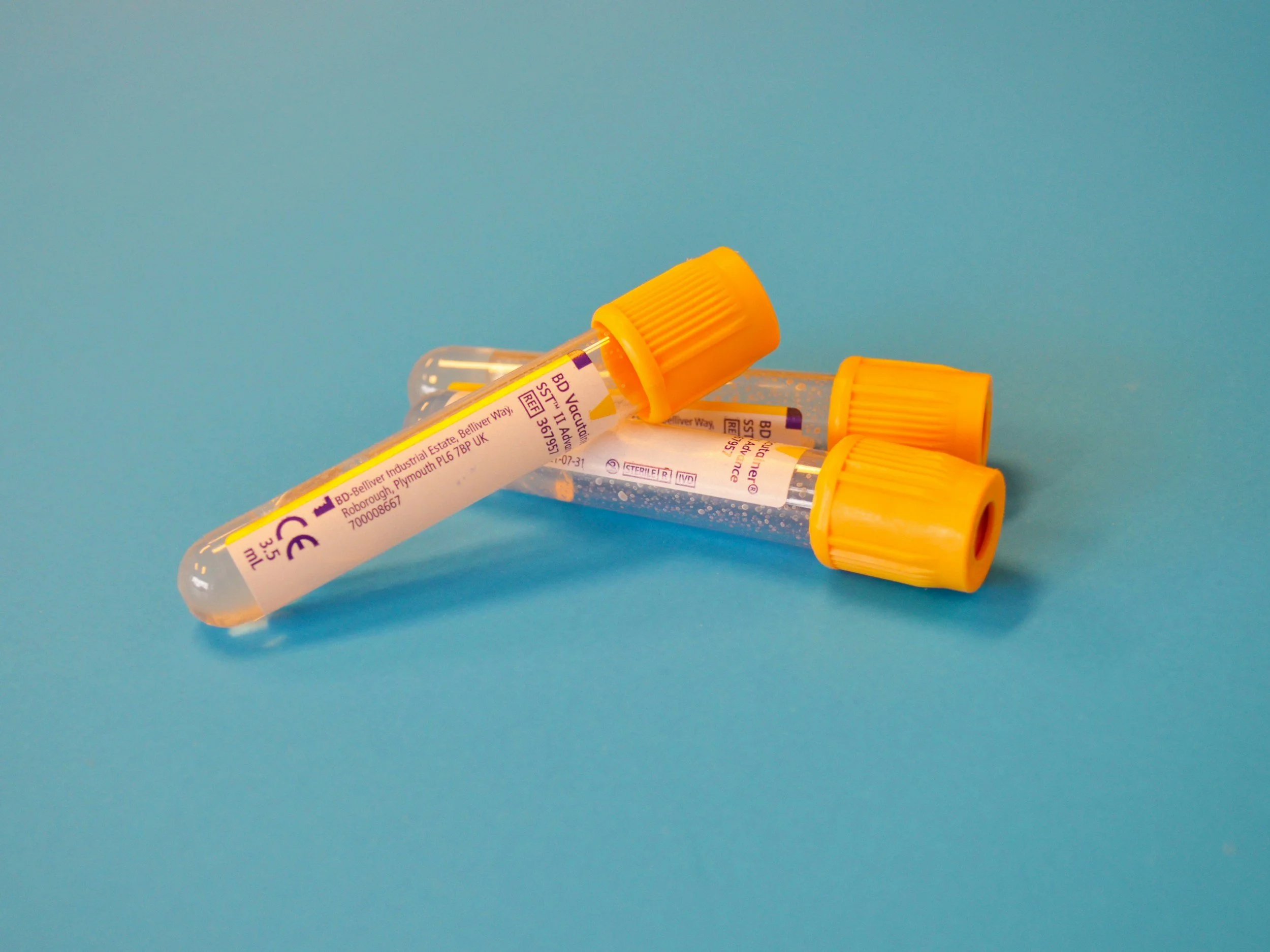
Platelet-rich plasma (PRP) for joint pain relief: a guide
Platelet-rich plasma (PRP) is an increasingly used treatment option for relieving joint and muscle pain in patients with a range of conditions. In this guide we explore how PRP injections can be a valuable option in pain management, with the essential information on the subject.

Hyaluronic acid for joint pain relief: a guide
Hyaluronic acid (HA) has become established as an effective treatment option for relieving joint pain in patients with osteoarthritis and other joint conditions. In this guide we explore how hyaluronic acid injections can be a valuable solution for pain management, with the essential information on the subject.

Pain in spasticity
Spasticity is a velocity-dependent increase in muscle tone, resulting from an upper motor neuron lesion (usually following a stroke or other central nervous system conditions). This increased tone is often associated with pain, both from the muscle and tendon pain caused by sustained muscle contraction and from compression of nerve and vascular structures next to the muscles.
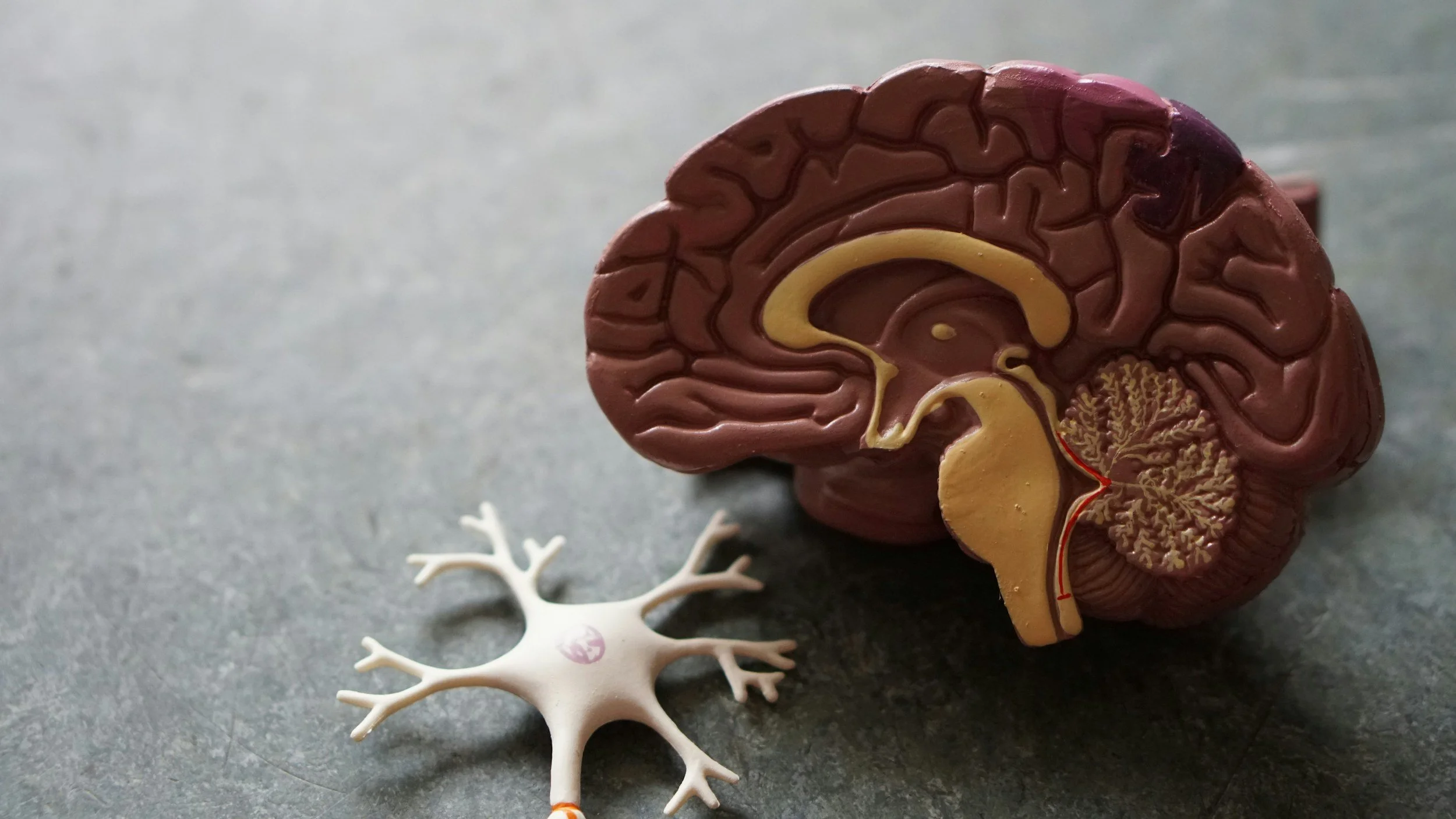
Neuropathic pain: symptoms, causes and treatment
Neuropathic pain is the term for pain that originates in the nervous system. Although it can arise in the central nervous system (spinal cord and brain), neuropathic pain usually originates in the peripheral nerves.

Pubic pain – pubalgia
Pubalgia is a broad term for pain in the pubic region, which can have dozens of different causes. Adductor tendinopathy/tendinitis or rectus abdominis tendinopathy is among the most common, caused by overactivation or poor coordination of these muscle groups, usually together with weakness. Treatment involves re-educating these muscles. Image-guided obturator nerve blocks are usually a useful tool for breaking the vicious cycle of pain and sustained muscle contraction.
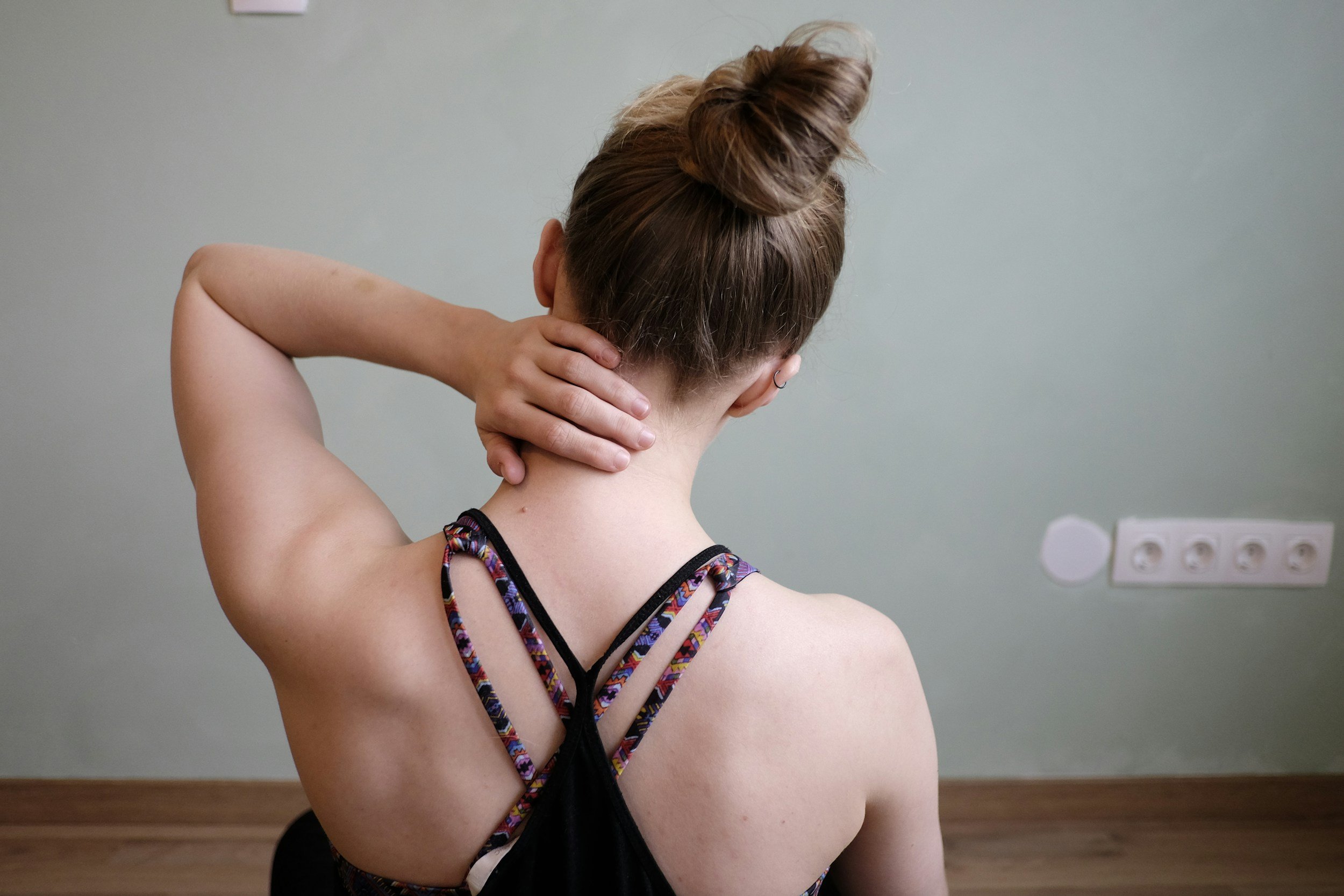
Neck pain: causes and treatment
Neck pain mostly originates from postural changes involving increased thoracic kyphosis with increased cervical lordosis, so treatment involves correcting these various postural patterns. Neck conditions fall into two main groups: axial, with pain in the centre of the neck, or radicular, with pain radiating into the arms.
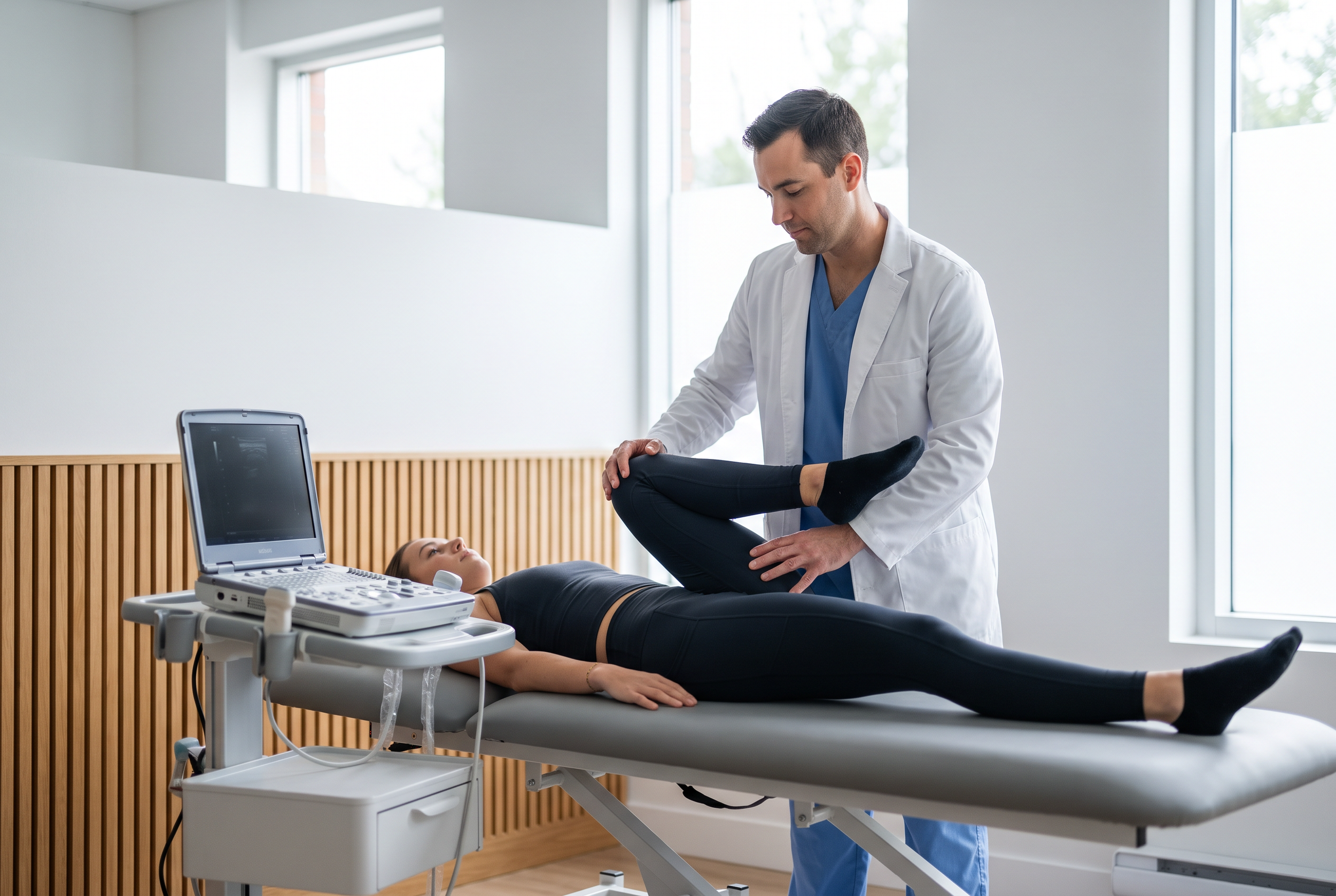
Hip pain
One of the most common causes of hip pain is greater trochanteric pain syndrome (trochanteritis), inflammation of the tendons or ligaments around the greater trochanter (the bony prominence you can feel on the outside of the thigh). It is usually caused by a gait pattern in which the thigh moves inwards together with dynamic knee valgus during single-leg stance. Treatment involves biomechanical correction. Ultrasound-guided hydrodissection of the iliotibial band usually controls the pain, making biomechanical correction easy and pain-free.

Ankle and foot pain
A significant proportion of ankle pain is post-traumatic, usually following a direct blow or a sprain. Although ankle sprains are often dismissed because they are so common, they involve a wide range of possible associated injuries, some of which carry a worse prognosis.