
The right treatment for knee pain
Knee pain is one of the most common causes of functional limitation in adults in Portugal, both in sedentary people and in those who are physically active.
The knee is central to everyday mobility, bearing high loads during apparently simple activities such as walking, climbing stairs or getting up from a chair.
From a biomechanical point of view, the knee bears forces equivalent to several times body weight during movement, which explains why small changes in alignment, muscle strength or load management can quickly lead to pain.
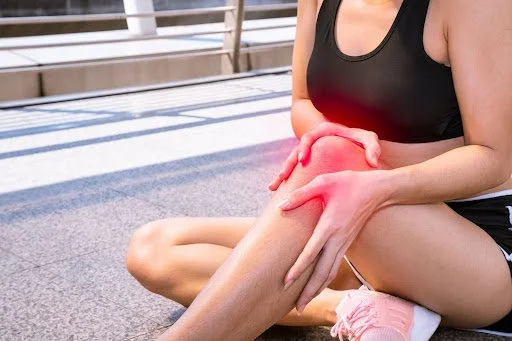
When the capacity of the knee's tissues (cartilage, menisci, ligaments, tendons and muscle) is no longer enough to tolerate the demands placed on them, symptoms appear.
Pain doesn't appear by chance: it is a sign that something in the balance between load and capacity has been compromised. Understanding where the pain comes from is essential to treat it correctly and prevent it from becoming chronic.
In this article we explain, logically and based on scientific evidence, the most common causes of knee pain, the warning signs that call for a medical assessment, how it is diagnosed and what the treatment and prevention options are.
The most common causes of knee pain
Knee pain rarely has a single, isolated cause. In most cases it results from a combination of mechanical, structural and functional factors that build up over time.
Joint degeneration and knee osteoarthritis
Knee osteoarthritis is one of the most common causes of pain in adults from middle age onwards, and a significant cause of functional disability in Portugal. It is characterised by progressive wear of the joint cartilage, together with changes in the subchondral bone and low-grade inflammation of the joint.
Clinically, it shows up as mechanical pain that gets worse with activity and better with rest, stiffness when starting to move after periods of inactivity, and discomfort going up or down stairs.
Progression is neither linear nor inevitable: factors such as excess weight, muscle weakness, previous injuries and lower-limb misalignment speed up the process.
The scientific evidence clearly shows that appropriate strengthening, especially of the quadriceps and hip muscles, reduces the effective load on the joint and improves function, contradicting the mistaken idea that exercise “wears out” the knee.
Traumatic and sports injuries
Traumatic injuries are common in sports such as football, futsal, padel and running, and in everyday situations such as falls or sprains. They may involve ligaments, menisci or cartilage, or result from direct impact.
Pain comes on suddenly, often with rapid swelling and difficulty bearing weight. Ligament injuries, such as to the anterior cruciate or medial collateral ligament, and acute meniscal tears are common causes in these contexts. Ignoring the initial symptoms and carrying on without adjusting load significantly increases the risk of worsening and secondary injuries.
Meniscal injuries and joint instability
The menisci play a key role in absorbing and distributing load within the knee joint. Meniscal injuries can be traumatic or degenerative, especially in adults over 40.
A feeling of locking, painful clicking, instability or pain along the joint line suggest internal involvement. When instability persists, the knee loses mechanical efficiency, which speeds up cartilage wear. The current approach favours conservative treatment whenever possible, with guided rehabilitation, leaving surgery for well-defined situations.
Anterior knee pain and biomechanical changes
Pain at the front of the knee, often linked to the kneecap, is one of the most common complaints in adults. It is usually related to changes in movement control, weakness of the hip stabilising muscles, muscle stiffness and a rapid increase in training load.
This type of pain tends to get worse going downstairs, squatting or sitting for long periods. It is not an isolated structural problem, but a functional change that responds very well to movement re-education and strengthening programmes.
Excess weight and postural factors
Body weight has a direct impact on the load placed on the knee. Every extra kilogram means a significant increase in the force on the joint with each step, an effect that multiplies over the day. In Portugal, where excess weight is common among adults, this factor is particularly clinically relevant.
Lower-limb alignment changes, such as bow legs or knock knees, as well as changes in how the foot lands, alter the distribution of joint forces and contribute to progressive pain. Small biomechanical corrections can have a significant clinical impact.
Symptoms and warning signs
Not all knee pain is serious, but some signs should not be ignored. Acute pain with trauma and rapid swelling needs a clinical assessment. Chronic pain that persists for weeks, interferes with daily activities or gets progressively worse also warrants investigation.
Persistent swelling, marked local warmth, locking, instability when walking or night pain are warning signs. Being unable to bear weight or having a fever together with joint pain requires urgent medical attention.
Diagnosing knee pain
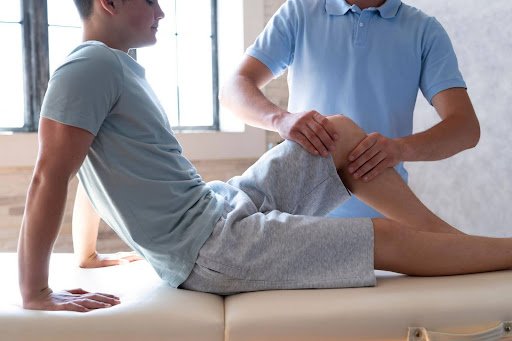
Diagnosis starts with a careful clinical assessment, based on the history of symptoms and a physical examination. Observing gait and assessing mobility, muscle strength and joint stability are key to guiding clinical reasoning.
Further tests are used in a targeted way. X-rays assess alignment and joint wear. MRI is useful for studying the menisci, ligaments and cartilage when symptoms persist or there are signs of internal injury. Ultrasound can be used to assess effusions, tendons and bursae.
In Portugal, this assessment can be carried out through the National Health Service or privately, particularly at centres experienced in musculoskeletal conditions such as Clínica Myalgia, where an integrated approach makes functional diagnosis and treatment planning easier.
Treating knee pain
Treatment should be tailored to the cause, biological age, activity level and personal goals. Load management is the first step: temporarily reducing aggravating activities without eliminating movement.
Ice can be useful during inflammatory phases, and painkillers or anti-inflammatories can be used occasionally, always under medical guidance.
Physiotherapy is the cornerstone of treatment. Structured programmes of strengthening, neuromuscular control and movement re-education show consistent improvements in pain and function, in both degenerative and post-traumatic conditions.
Surgery is reserved for specific situations, when conservative treatment fails or there is a clear structural injury with significant functional impact.
Prevention and long-term care
Preventing knee pain means maintaining adequate muscle strength, joint mobility and smart management of physical load. Regular low- to moderate-impact exercise is protective. Choosing the right shoes, paying attention to movement technique and controlling body weight are key to reducing the risk of recurrence.
Knee pain should not be seen as “normal” or inevitable. When it is understood and treated correctly, it is possible to recover function, stay active and avoid progression to chronic pain.
Frequently asked questions about knee pain
Knee pain can be mechanical, inflammatory or functional in origin and, in most cases, improves with the right measures once the cause has been correctly identified. Load management, the type of exercise you do, daily habits, diet and physiotherapy all have a direct impact on both pain control and functional recovery.
What are the most common causes of knee pain?
The most frequent causes of knee pain include progressive cartilage wear, excess weight, osteoarthritis, and injuries to the ligaments, menisci or tendons. The latter are equally common and often appear after twists, falls or repeated strain, especially in sport or physical overload.
What exercises are recommended to relieve knee pain?
Low-impact activities strengthen the muscles without overloading the joint and are generally well tolerated. Walking on flat ground, riding a stationary bike or swimming help improve joint stability, muscular endurance and overall knee function.
Simple exercises at home can be just as effective when properly guided. Straight-leg raises, supported shallow squats and gentle quadriceps stretches help improve muscle control and reduce discomfort. Progression should be gradual and adjusted to individual tolerance, avoiding exercises that make the pain worse.
When should I see a doctor about knee pain?
Knee pain should be assessed clinically when it becomes persistent or progressive, or interferes with daily activities. Sudden swelling, a feeling of instability, painful clicking or difficulty bearing weight warrant prompt medical attention.
Fever, intense redness, marked local warmth or night pain without prior exertion raise suspicion of infection or systemic inflammation and require urgent assessment. In these cases, delaying medical contact can delay diagnosis and compromise recovery.
Are there home treatments for knee pain?
In the early stages or after occasional overload, some simple measures at home can help relieve symptoms. Relative rest reduces tissue irritation without stopping activity altogether. Applying ice for 10 to 15 minutes, two to three times a day, helps control inflammation and swelling after exertion.
Choosing shoes with good cushioning and support helps reduce the daily impact on the knee, especially for people who spend many hours on their feet or walk regularly.
How can diet affect knee health?
Diet plays an important role in joint health, mainly by controlling body weight and supporting muscle mass. Adequate protein intake helps preserve and rebuild the muscles that stabilise the knee, while a diet rich in vegetables provides antioxidants that support tissue recovery.
Omega-3 fatty acids, found mainly in oily fish such as sardines or salmon, have an anti-inflammatory effect and may help modulate pain in chronic inflammatory conditions. Good hydration is another often-forgotten factor, but essential for joint lubrication and normal tissue function.
What role does physiotherapy play in treating knee pain?
Physiotherapy works not only on relieving symptoms but on the cause of the problem. By correcting poor movement patterns, strengthening muscles and improving mobility and coordination, physiotherapy reduces joint overload and improves function.
An individual plan adapts the exercises to each person's needs and goals for a more effective recovery. Regular sessions teach safe strategies for daily life and help prevent relapses, so patients return to activity with more confidence and less risk of re-injury.
This article and its content have been reviewed by Dr Miguel Reis e Silva, Medical Director of Sport Lisboa e Benfica, specialist in Physical and Rehabilitation Medicine, and specialist in Sports Medicine and Pain Medicine at Clínica Myalgia.
