
How custom insoles can improve your sports performance: benefits and scientific evidence
Do you train to perform better and reduce risk, but feel held back by the support in your shoes? Custom insoles improve performance by aligning the foot, optimising biomechanics and distributing forces efficiently with every movement. That fit comes from a clinical and biomechanical assessment tailored to your sport, goals and stride pattern.
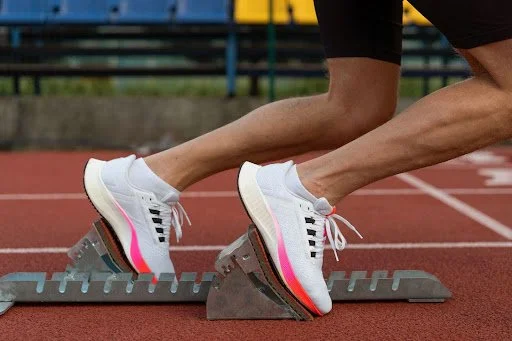
Unlike generic solutions, an individual fit guides posture, stabilises the ankle and improves energy transfer.
A simple example: over an 8 km run, small corrections can save repeated effort and keep your technique consistent from start to finish.
In this article you'll find out how they work, when they make sense and what care extends their lifespan. You'll also get practical tips for choosing between standard and made-to-measure options, without exaggerated promises and with a focus on measurable results.
What custom insoles are and how they work
This type of foot support adapts to your anatomy, guides movement while you walk and optimises force transfer. The right design improves comfort, stability and mechanical efficiency in demanding sporting contexts.
Definition and types of custom insoles
Custom insoles are made-to-measure foot orthoses, produced after a clinical analysis of the foot and its loading pattern. The aim is to influence biomechanics, reduce wasted energy and improve joint control during physical activity.
There are different types, depending on the purpose:
Functional: correct misalignments and guide technique.
Sports: prioritise energy return and dynamic stability.
Accommodative: distribute load across the sole and relieve pressure points.
Each option meets specific needs, such as running, football or gym training.
An interesting fact: the right fit can reduce unwanted micro-movements that use up energy with every stride.
Manufacturing and customisation
Manufacturing starts with a detailed assessment of your posture, stride and training history. The specialist looks at weight-bearing support, ankle alignment and knee tracking during movement.
Data is then collected using a foam impression, 3D scanning or a pressure-mapping platform.
Based on the results, the technician sets arch heights, offloading zones and control angles. A good tip is to bring your usual trainers to the appointment, to ensure real compatibility with the shoes you compete in.
Materials used
Materials determine durability, mechanical response and underfoot feel. The choice depends on the sport, body weight and weekly training intensity.
| Material | Main function | Practical use |
|---|---|---|
| EVA | Light cushioning | Road running |
| Carbon fibre | Rigid stability | Explosive sports |
| Polyurethane | Long-lasting durability | Frequent training |
| Technical foams | Targeted comfort | Long sessions |
The benefits of custom insoles for sports performance
An exact fit to your foot influences posture, comfort and movement efficiency. Precise adjustments to your foot support help you train with more control, less fatigue and a better physical response across different sports.
Better postural alignment
Made-to-measure support guides the position of the foot from the moment it touches the ground. That initial control influences the knees, hips and spine throughout every stride.
By correcting deviations such as excessive pronation or marked supination, you gain functional stability. A balanced base reduces compensation during jumps, changes of direction or long runs.
Runners, footballers and tennis players may notice clear benefits after just a few sessions.
Lower injury risk
Biomechanical control reduces repetitive stress on vulnerable structures. Tendons, ligaments and the plantar fascia therefore receive better-distributed loads.
During intense training, micro-impacts build up quickly. Custom foot support absorbs part of that energy and channels force safely.
High-impact sports, such as basketball or athletics, benefit in particular. Clinical studies show a lower incidence of heel and knee pain when there is individual adaptation.
| Protected area | Direct benefit |
|---|---|
| Heel | Less vertical impact |
| Arch | Even distribution |
| Ankle | Added stability |
More comfort during sport
Consistent comfort lets you focus on the task, not on discomfort.
In long events, such as cycling or race walking, the difference becomes clear after an hour. Less friction means a lower risk of blisters.
Useful fact: adjustments of just a few millimetres change how support feels from the very first use.
An individual fit for every athlete
A precise fit depends on real data about your body and the context you compete in. Clinical measurements, movement analysis and choosing the right design create a solid basis for consistent functional gains.
Biomechanical analysis and foot assessment
Creating foot supports starts with detailed observation of how you walk and run. Professionals analyse alignment, loading patterns and ground contact times, often using pressure platforms and high-speed video.
What to look for in a good assessment:
Dynamic measurement, not just static
Bilateral analysis to detect asymmetries
Stability tests during quick changes of direction
An interesting fact: variations of less than 5 mm already change force distribution during short sprints.
Adapting to different sports
Each sport places specific demands on your body. Running favours shock absorption and energy return, while football requires lateral support for frequent rotation.
The design adapts stiffness, thickness and geometry to the dominant movement. A road runner benefits from lighter profiles, while a tennis player needs more torsional control.
| Sport | Functional priority | Key feature |
|---|---|---|
| Running | Mechanical efficiency | Controlled rebound |
| Padel | Lateral stability | Reinforced medial support |
| Football | Agility | Thin, responsive profile |
Generic vs custom insoles
Insoles directly affect how you run, jump or change direction. Choosing between generic models and custom solutions affects comfort, stability and mechanical efficiency during sport.
Main differences and advantages
Generic insoles follow standard shapes and are designed for broad use. They fit many types of shoe but ignore individual features such as the arch, stride pattern or functional asymmetries. That limitation becomes obvious in long sessions or repetitive-impact sports.
Custom models are built from specific assessments, such as gait analysis and load distribution. The technician adapts materials, density and geometry to your body. This improves midfoot support, reduces excessive movement and optimises force transfer.
Practical example: on a 10 km training run, a made-to-measure insole can reduce pressure points under the heel and forefoot.
Useful tip: athletes with a history of injury benefit most when the insole is matched to their sport.
Long-term performance and results
Custom solutions keep their structural properties for longer. The right adaptation helps align the ankle, knee and hip, reducing wasted energy with every stride. With better efficiency, you can sustain a higher pace for longer.
Interesting fact: adjustments of just 5 mm in arch height can change muscle activation.
Care, maintenance and lifespan of custom insoles
Proper maintenance directly affects comfort, stability and biomechanical response during training. Regular care extends their lifespan and preserves the performance benefits, including stride efficiency and postural control.
Cleaning and care
Hand-wash the insoles once a week if you train often. Use lukewarm water up to 38°C and mild soap, scrubbing gently with a soft cloth. Harsh products degrade technical foams and reduce support.
Leave them to air-dry, away from heat sources. Radiators or direct sunlight deform structural materials and alter biomechanical corrections.
Follow these everyday good practices:
Take them out of your shoes after use to release moisture.
Rotate pairs of trainers to reduce continuous compression.
Avoid prolonged soaking, even with water-resistant models.
Did you know? Built-up sweat increases friction under the foot, which can interfere with force transmission when running.
When to replace your insoles
They should generally be replaced after 500–800 km of sporting use, depending on body weight, sport and surfaces. Loss of elastic return reduces energy efficiency, affecting athletic performance.
Look out for clear signs:
Visible wear in the highest-load areas.
Less stability during quick changes of direction.
New discomfort in previously stable joints.
Regular reviews with a specialist ensure adjustments keep pace with your physical progress and competitive goals. Changes in technique, increased intensity or new shoes justify an immediate reassessment to maintain performance gains.
Frequently asked questions
Made-to-measure insoles act on stability, body alignment and load management during exercise. Customisation based on a clinical and biomechanical assessment influences comfort, movement control and technical efficiency.
What are the benefits of custom insoles for athletes?
You get support tailored to your foot type, your sport and your training goals. That support improves stability during quick changes of direction and reduces fatigue over the session.
For example, runners feel more consistent support over repeated strides.
How do made-to-measure insoles help prevent sports injuries?
Customisation corrects functional deviations that increase stress on the knees, ankles and spine. Aligning the foot with the leg reduces unwanted rotational forces.
Use the insoles preventively when you increase your weekly volume or return after a break. This helps avoid the overload common in intense training.
How do orthopaedic insoles improve posture during physical activity?
The right support guides the foot into a more neutral position on ground contact. This promotes alignment all the way up, from the ankle to the pelvis.
During strength exercises, you'll notice better body control.
How do custom insoles affect pressure distribution under the feet?
The moulded surface redistributes load, reducing peaks under the heel or forefoot. This improves comfort during prolonged effort.
In jumping sports, optimised absorption helps maintain consistency between repetitions. This comes from a design based on your actual footstrike.
How can correcting footstrike problems with made-to-measure insoles affect sports performance?
Correcting excessive pronation or supination increases mechanical efficiency. Movement becomes more direct, with less wasted energy.
Athletes report a better response in short accelerations.
An interesting fact: millimetre adjustments can change the feeling of push-off without changing technique.
When are custom insoles recommended for sport?
Consider custom insoles if you have recurring discomfort, a history of injury or a need to optimise performance. Clinical assessments show the right time to adapt.
They also make sense during demanding competitive phases. Keep up regular follow-up to adjust them as your training progresses.
This article and its content have been reviewed by Dr Miguel Reis e Silva, Medical Director of Sport Lisboa e Benfica, specialist in Physical and Rehabilitation Medicine, and specialist in Sports Medicine and Pain Medicine at Clínica Myalgia.
