
How to treat musculoskeletal pain: a practical, up-to-date guide for 2026
Do you have pain in your muscles, joints or bones that limits your everyday movement? Musculoskeletal pain involves structures such as muscles, tendons, ligaments, bones and joints. It can result from overload, sustained postures, injuries, osteoarthritis or inflammatory processes.
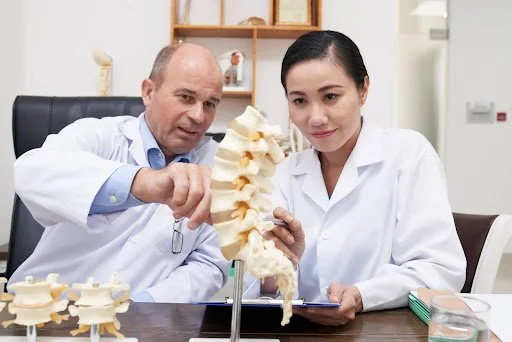
In today's approach, understanding this condition means acting early, with a proper assessment and strategies based on the available scientific evidence. In many cases, treatment includes a rigorous clinical assessment, structured therapeutic exercise, medication when indicated and consistent lifestyle changes.
Pain can appear after lifting something badly, sitting for many hours or repeating movements at work for several days in a row. In this guide you'll find clear explanations of the causes, the tests that are really needed, current treatment options and habits that can reduce relapses in a lasting way.
What musculoskeletal pain is and what causes it
Musculoskeletal pain can be acute (short-lived) or chronic (lasting more than 12 weeks). It affects the structures responsible for movement and body stability.
Main causes and risk factors
The most common causes include:
Traumatic injuries (sprains, bruises, fractures);
Repetitive movements at work or in sport;
Lifting heavy loads incorrectly (especially if repeated and without preparation);
Staying in a static posture for long periods;
A sedentary lifestyle and muscle weakness;
Excess weight, which increases the load on knees and hips;
Inflammatory diseases, such as rheumatoid arthritis;
Age-related joint wear (osteoarthritis).
Chronic stress can also amplify the perception of pain and increase muscle tension, especially in the neck and lower back.
Common signs and symptoms
Pain can be localised or diffuse, intermittent or constant.
The most common symptoms include:
Joint stiffness, especially in the morning;
Pain that gets worse with movement or exertion;
Tenderness to touch;
Swelling;
Reduced range of movement;
A feeling of weakness.
Morning stiffness lasting more than 30 minutes may suggest an inflammatory component. Pain that improves with gentle warming up is often mechanical in origin.
Tingling, numbness or loss of strength need a clinical assessment, as they may indicate nerve involvement.
Associated conditions
Several conditions fall into this group:
Acute or chronic low back pain;
Shoulder, knee or elbow tendinopathy;
Osteoarthritis;
Stress fractures;
Fibromyalgia;
Peripheral neuropathies.
Identifying the condition correctly is essential to guide the most appropriate treatment.
Up-to-date diagnosis of musculoskeletal pain in 2026
A correct diagnosis helps avoid unnecessary tests and guides effective treatment decisions.
A structured clinical assessment
The process starts with a detailed medical history:
When the pain started;
Which movements make it worse or better;
Whether there is morning stiffness;
Whether there is loss of strength or altered sensation.
The physical examination includes:
Muscle strength testing;
Measuring joint range of motion;
Functional tests;
Palpation of painful structures.
Additional tests: when are they needed?
The recommendation remains: tests should be requested when they could change the treatment decision.
X-ray: useful for fractures and osteoarthritis.
Musculoskeletal ultrasound: assesses tendons and bursae in real time.
MRI: indicated in persistent or complex cases, or when something specific is suspected.
Current digital tools
Validated questionnaires before the appointment;
Apps that track daily activity and sleep;
Sensors that analyse posture and range of movement.
These data complement, but do not replace, clinical assessment and reasoning.
Current treatment approaches in 2026
Treatment combines personalisation, a focus on function and, where appropriate, clinical technology.
Structured therapeutic exercise
It remains the foundation of treatment for many musculoskeletal conditions.
It may include:
Strength training 2 to 3 times a week;
Sets of 8 to 12 repetitions, adapted to tolerance;
Gradual progression of load;
Functional training aimed at everyday tasks.
Clinically relevant improvements often appear between 6 and 12 weeks, with consistency and appropriate progression.
Advanced physiotherapy
It may include:
Manual therapy;
Exercise guided by biomechanical analysis;
Biofeedback and motor control training;
Functional assessment tools, such as force plates, when available and indicated.
The approach focuses on improving function, reducing mechanical overload and optimising movement patterns.
Minimally invasive medical procedures
When indicated, and in well-defined situations, the following may be considered:
Ultrasound-guided injections;
Hyaluronic acid in selected joints;
Platelet-rich plasma (PRP) in specific cases;
Radiofrequency for persistent pain meeting defined criteria.
These procedures do not replace rehabilitation and should be part of an overall plan.
A personalised approach
Treatment decisions may take into account age, pain pattern, functional goals, life circumstances and response to treatment. Decision-support tools can help organise information, but the final decision should always be clinical and individual.
Prevention and lifestyle
Prevention is key to reducing relapses and maintaining function.
Regular exercise
Moderate walking for about 30 minutes a day;
Strength training 2 to 3 times a week;
Mobility work and gentle stretching after activity, when indicated.
Consistent movement tends to reduce stiffness and improve function.
Ergonomics
Feet flat on the floor;
Knees at about 90°;
Screen at eye level;
Breaks every 30 to 45 minutes.
Small corrections help reduce built-up tension.
Sleep and stress management
Sleeping 7 to 9 hours a night supports recovery. Strategies such as controlled breathing and mindfulness can help reduce stress-related amplification of pain, especially when part of a consistent routine.
Future prospects
Research in 2026 continues to explore:
More targeted biological therapies;
Continuous digital monitoring;
Artificial intelligence applied to image analysis;
Personalised programmes based on functional data.
The trend is towards increasingly individualised and less invasive approaches, with safety and evidence remaining the central criteria.
Frequently asked questions
Is musculoskeletal pain serious?
In most cases, no. Seek an assessment if there is loss of strength, fever, significant trauma, persistent night pain or progressive worsening.
Does exercise make the pain worse?
Appropriate, progressive exercise tends to improve function. Prolonged rest often prolongs symptoms.
How long does recovery take?
It depends on the cause and how long you've had symptoms. Many conditions improve within 6 to 12 weeks with the right treatment and consistency.
Does nutrition make a difference?
It can. Adequate protein intake and regular sources of omega-3 may support recovery and inflammation control.
This article and its content have been reviewed by Dr Miguel Reis e Silva, Medical Director of Sport Lisboa e Benfica, specialist in Physical and Rehabilitation Medicine, and specialist in Sports Medicine and Pain Medicine at Clínica Myalgia.
